

How to Compare Security Services in Miami
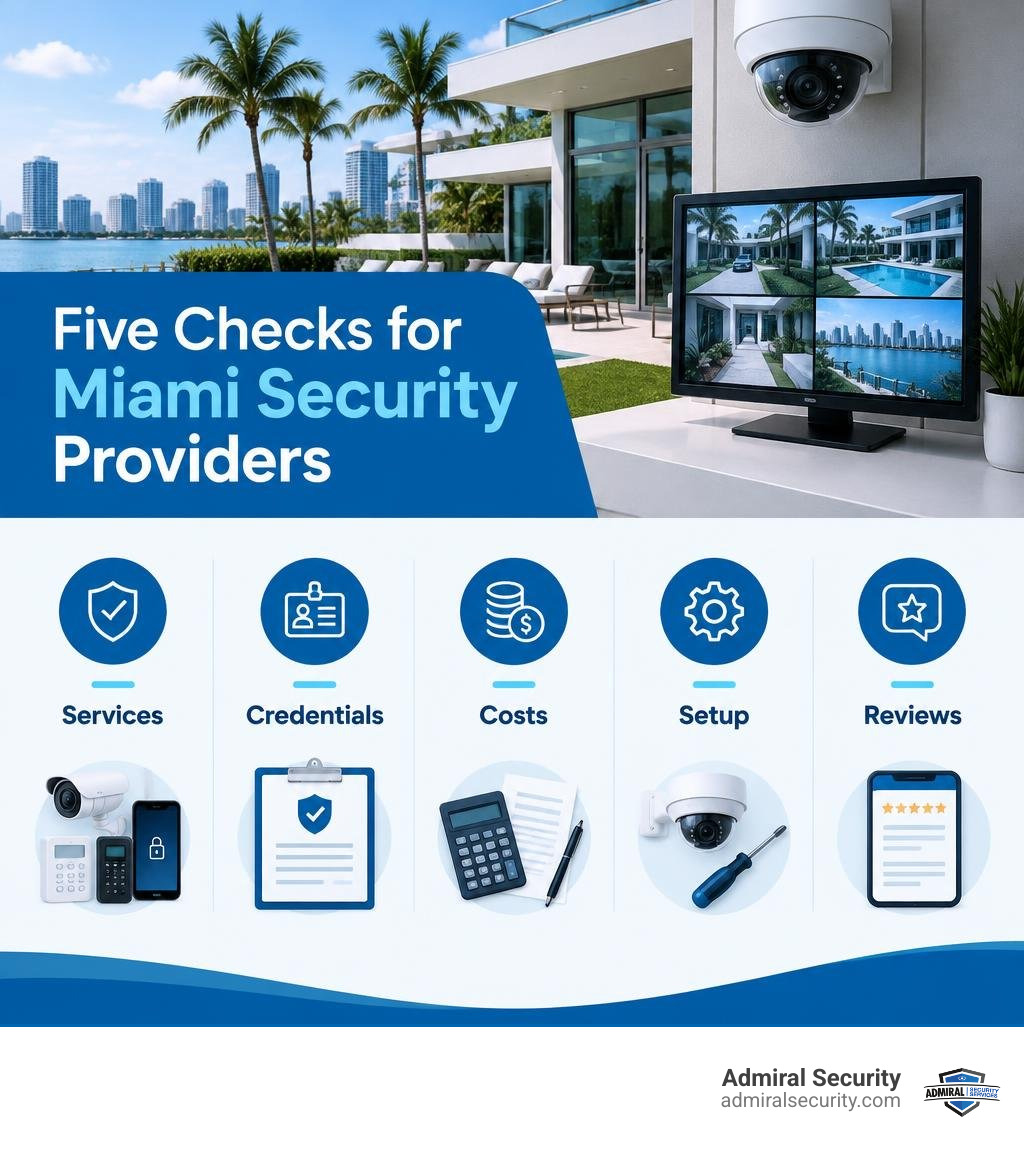
The best security services in Miami fit your property, respond when needed, and make their costs clear. When comparing providers, check five things: services offered, licensing and response plans, total cost, setup time, and verified reviews. Ask whether a quote covers cameras, alarms, access control, 24/7 monitoring, or trained officers. Then confirm what happens during a power outage or severe storm.
For a home, storefront, or larger property, a low price means little if coverage or support falls short. Use those five checks to compare quotes on equal terms.
1. Comparing Core Personnel, Technology, and Security Services in Miami
When I look at security options across South Florida, I quickly notice that no two properties share the exact same vulnerabilities. A waterfront condo in Brickell has distinct needs compared to a commercial warehouse in Doral or a family residence in Coral Gables. Evaluating security services in miami requires looking past surface-level promises and examining how hardware, software, and human expertise work together.
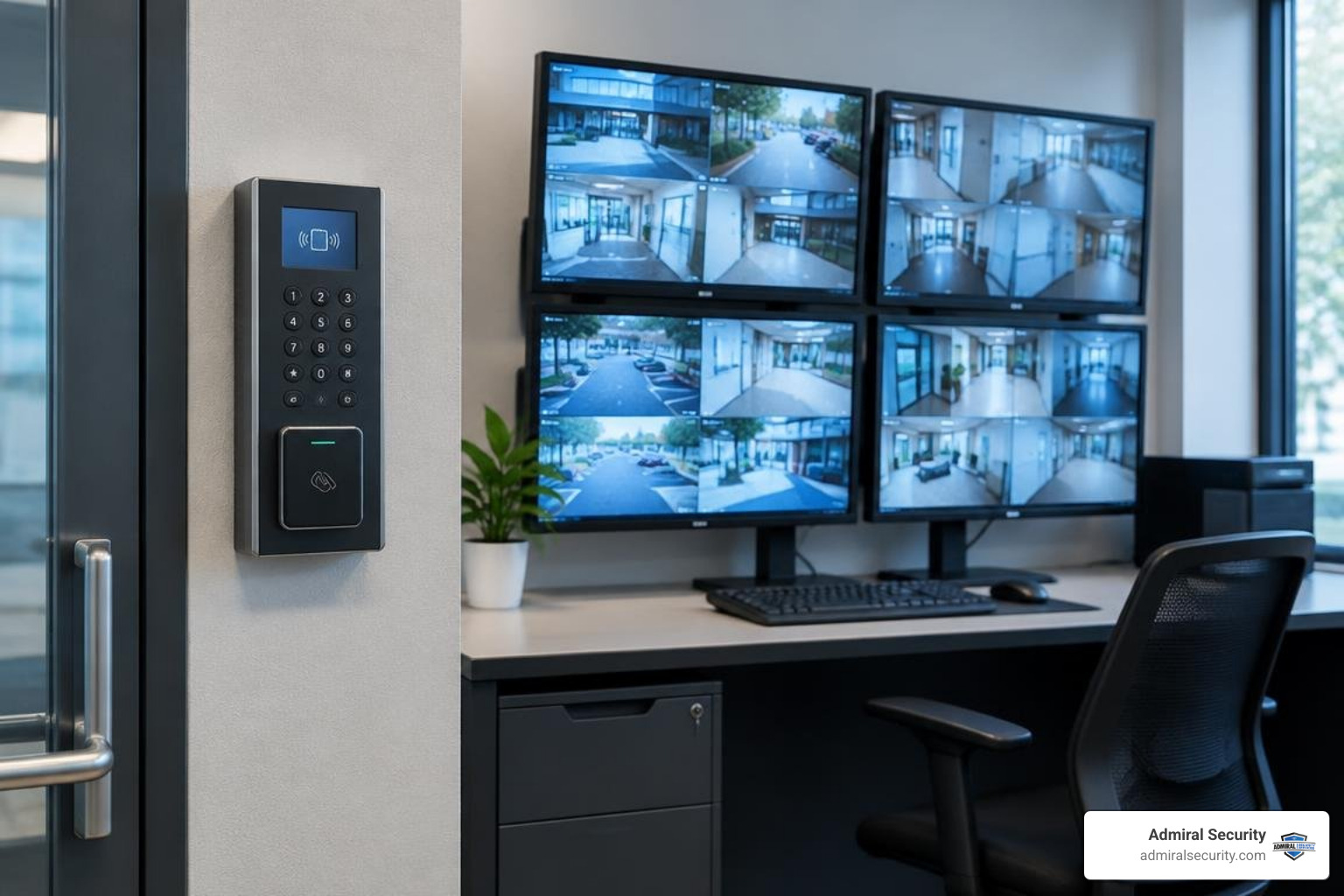
A comprehensive security setup combines physical vigilance with digital tools. Basic setups might include wireless entry sensors, while enterprise deployments require sophisticated access control, video analytics, and on-site personnel. Knowing how these components complement one another ensures you avoid paying for redundant gear while maintaining complete coverage across all entryways, common areas, and exterior perimeters.
| Security Approach | Core Personnel & Technology Features | Typical Cost Range | Best Suited For |
|---|---|---|---|
| Basic Technology | Wireless door sensors, mobile alerts, simple camera feeds | $200 – $500 setup; $20 – $40/mo | Small residential spaces, single-entry retail |
| Integrated Systems | Commercial access control, multi-feed video monitoring, environmental sensors | $1,000 – $3,000+ setup; $50 – $150/mo | Mid-sized businesses, multi-story offices, luxury homes |
| Personnel & Tech Integration | Dedicated on-site officers, access management, central monitoring integration | Customized monthly or hourly agreements | Corporate headquarters, gated communities, high-traffic commercial sites |
Technology Integration and Access Management
Access management serves as the first line of defense for any modern facility. Today, key fobs, encrypted cards, and mobile credentials replace traditional metal keys, allowing property managers to revoke access instantly or review detailed entry logs. Modern systems also allow administrators to generate temporary digital guest passes, schedule automatic door locking cycles, and isolate specific high-security wings during off-hours.
When technology integration works smoothly, your video feeds, perimeter sensors, and access points communicate through a unified interface. This enables remote system coordination, meaning you or your security team can lock down exterior doors, grant vendor entry, or review camera clips from anywhere. In our tropical climate, ensuring hardware carries appropriate weather ratings is equally vital to avoid corrosion, moisture intrusion, and sudden electrical faults during high-humidity months.
Comparing Officer-Led Security with Technology-Only Services in Miami
While automated alerts and mobile apps offer convenience, technology alone cannot de-escalate a physical dispute or manage a chaotic lobby. Officer-led security brings discernment, critical thinking, and empathy to situations where cameras can only record.
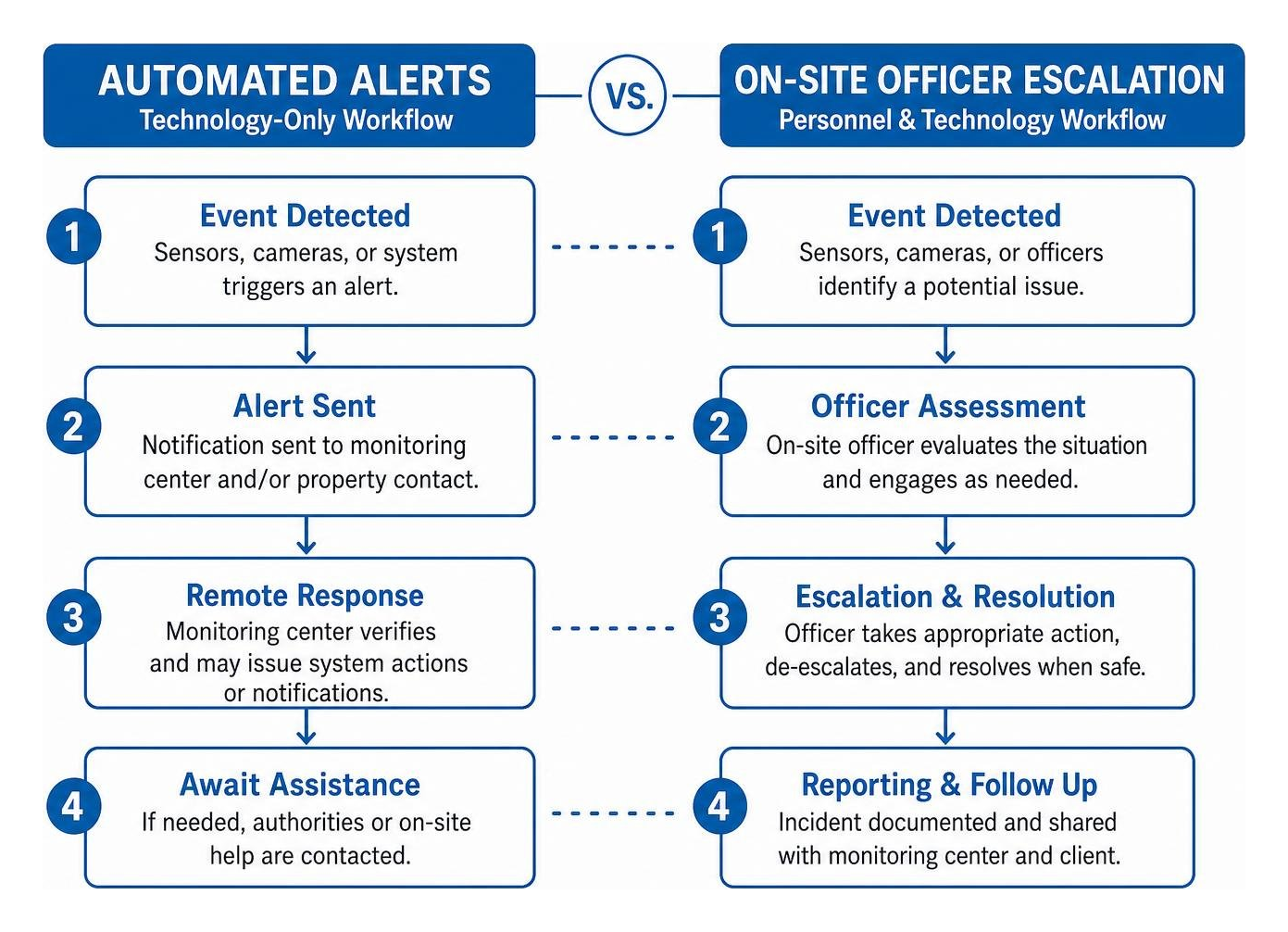
Trained officers manage physical access, greet guests, enforce property rules, and follow clear escalation protocols before minor irregularities turn into serious safety hazards. They maintain active situational awareness during power flickers or equipment maintenance cycles when automated systems might experience temporary blind spots. For institutions managing high financial assets, adhering to recognized depository institution security standards often mandates physical surveillance and structured on-site oversight rather than simple standalone alarms. Blending dedicated personnel with smart technology provides the highest level of coverage reliability.
2. Analyzing Response Times, Provider Credentials, and Compliance
A security plan looks great on paper until an incident occurs. How quickly a provider responds to an alarm or on-site incident is what truly defines their value. When reviewing companies, I always examine their official credentials and verify how they handle regional compliance mandates.
In Southeast Florida, security and electrical contractors must maintain appropriate licensing, such as the Florida EF certification for low-voltage and alarm system installations, as well as proper Class B security agency licensing. Working with fully licensed providers ensures that your installation satisfies local municipal building codes and fire safety regulations. Furthermore, maintaining strict compliance helps business owners avoid costly legal exposures. Reviewing workplace safety and compliance protocols is an essential step when assessing operational safety standards for local facilities.
Verifying Licensing and Response Times for Security Services in Miami
Never hesitate to ask a provider for their active state license numbers and proof of insurance. A reputable firm shares these details openly and maintains high liability coverage limits to shield their clients from third-party liabilities. Response windows are equally critical. If an access gate fails or a sensor goes offline on a Saturday afternoon, you need to know whether technical support takes two hours or two days to arrive.
Because Miami regularly faces extreme weather events, your security provider must have documented storm readiness plans. High-wind events, storm surges, and heavy downpours can knock out municipal power grids and cellular towers. Ask potential providers if their monitoring systems feature redundant cellular routing, dual power supplies, and battery backups to keep your property connected when local utilities fail. A mature provider tests these emergency failovers routinely to guarantee uninterrupted operations during severe Atlantic hurricane seasons.
3. Assessing Security Service Costs, Contract Terms, and Implementation Timelines
Cost transparency separates premier security companies from low-tier operations. Security proposals should break down equipment costs, labor rates, recurring monitoring fees, and any software subscription charges. A detailed quote allows you to verify that there are no ambiguous line items or unannounced rate hikes planned after the initial setup period.
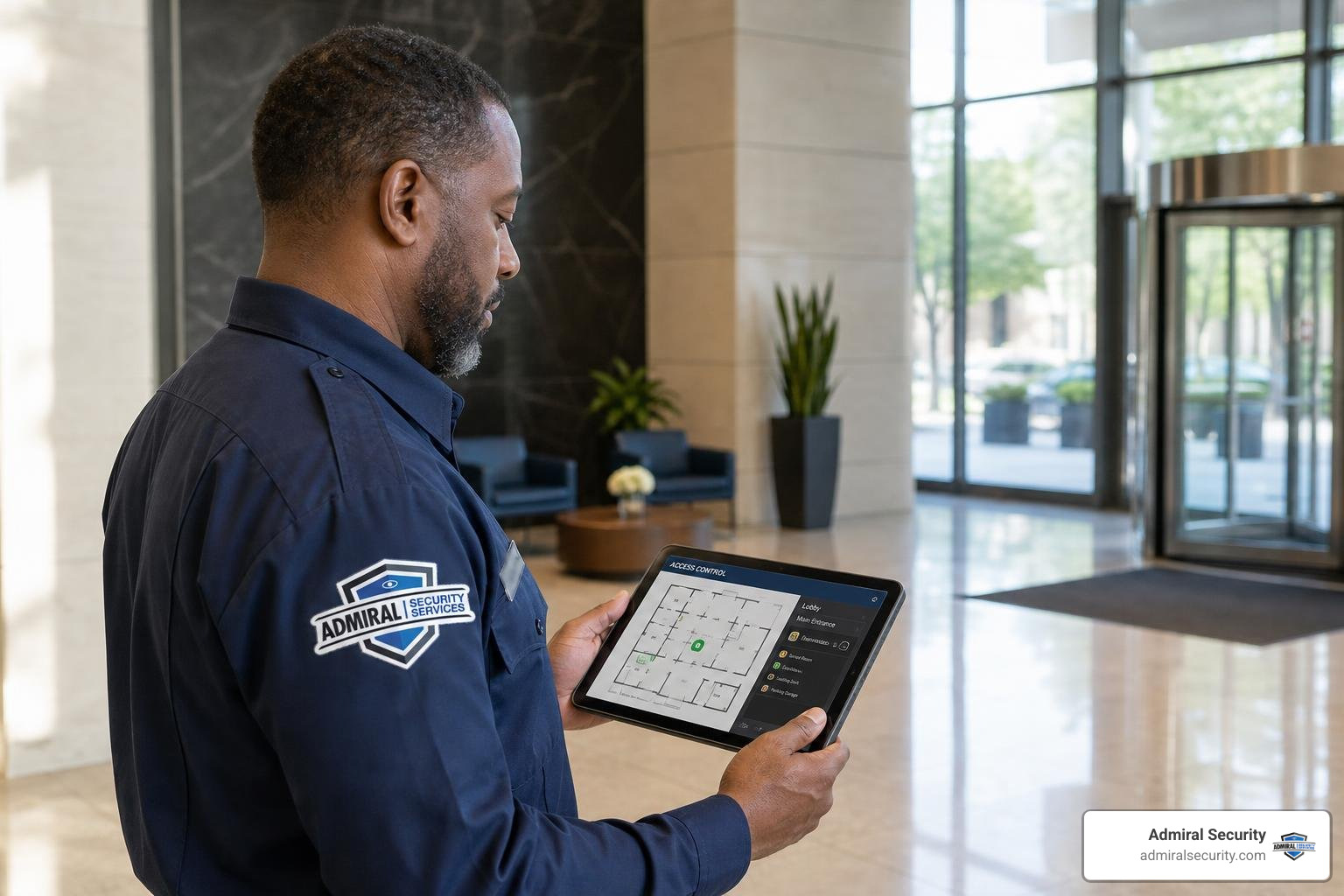
Watch out for hidden fees buried in multi-year service contracts. Some low-cost providers make up for cheap initial hardware by locking clients into rigid, long-term contracts with steep cancellation penalties. Look for transparent terms that clearly state maintenance responsibilities, equipment ownership, and warranty coverage for parts and labor. High-quality providers also offer flexible terms that accommodate property expansions or seasonal scheduling adjustments without punitive administrative fees.
Security Service Planning and Implementation Process
Deploying a security solution should follow a structured, step-by-step methodology to ensure every vulnerability is addressed without business interruption.
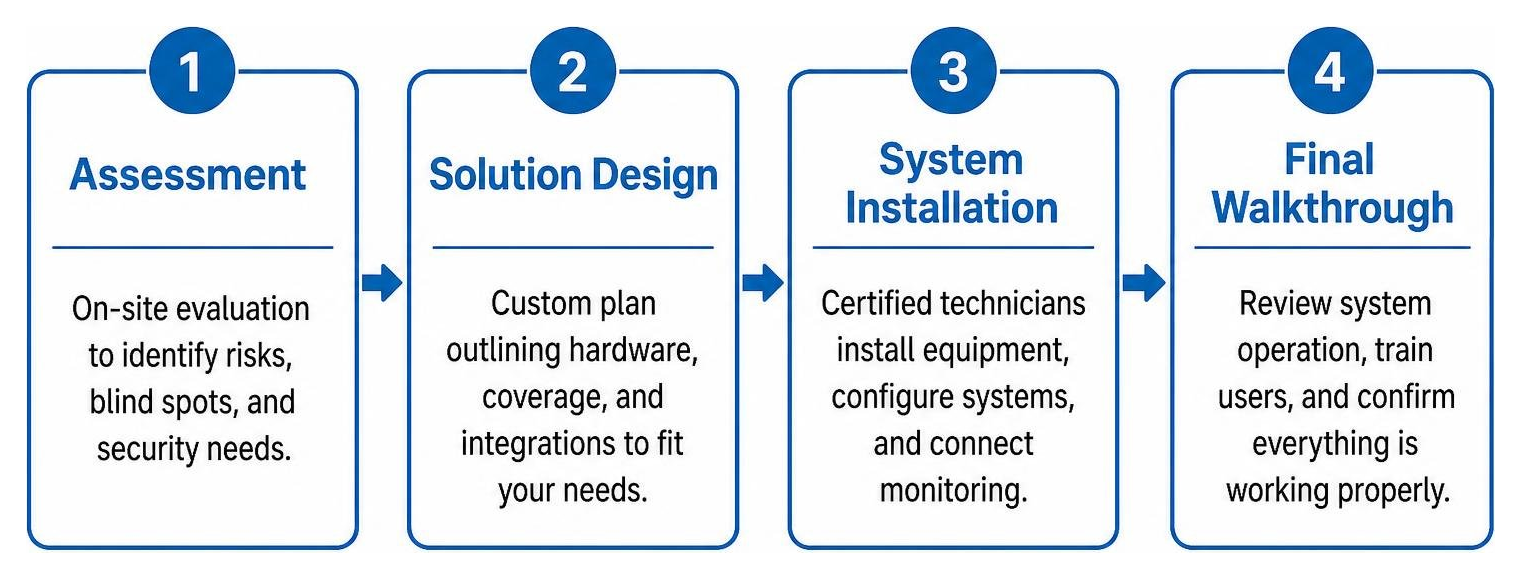
- On-Site Security Needs Assessment: A security specialist walks your property to identify physical blind spots, high-risk access points, and lighting deficiencies.
- Custom Solution Design: The team drafts a proposal outlining hardware placement, officer coverage hours, and software integrations tailored to your budget.
- Installation and Setup: Certified technicians run wiring, mount cameras, program access panels, and establish monitoring connections.
- Client Walkthrough and Training: The provider conducts a detailed walkthrough, training your staff or family on system operation, mobile app controls, and emergency procedures.
4. Evaluating Customer Reputation, Reviews, and Service Guarantees
Online ratings give genuine insight into a company’s daily reliability. Look beyond simple star averages and read the actual substance of customer reviews. Do clients highlight prompt communication and professional officer conduct, or do they complain about unanswered calls and billing surprises? Long-standing regional clients often leave feedback detailing how the provider performed during real emergency situations or unexpected equipment failures.
Pay attention to verified customer response rates and dedicated account management. High-performing security firms maintain quick response averages and consistently resolve client tickets within hours. They assign direct points of contact who understand your property’s specific operating schedule, rather than routing inquiries through anonymous offshore call centers. For properties with specialized layouts, such as coastal resorts or educational facilities, consult specialized regional security resources to find teams experienced in your specific environment.
Frequently Asked Questions About Miami Security Services
How much do security services typically cost in Miami?
Residential alarm and camera packages generally start between $200 and $500 for entry-level hardware, with monthly monitoring running from $20 to $60. Comprehensive commercial installations featuring access control networks, high-definition camera arrays, and specialized monitoring can range from $1,500 to over $5,000 upfront. Dedicated on-site officer services are priced via hourly or long-term contract rates based on coverage scope, scheduling requirements, and site size.
How long does security service implementation usually take?
Standard residential or small commercial setups are typically completed in one to two days. Larger commercial facilities, multi-building complexes, or integrated access management systems require detailed site engineering and generally take one to three weeks from initial assessment to final operational walkthrough.
Do Miami security providers offer service commitments and urgent support?
Leading security providers deliver 24/7 technical assistance and emergency dispatch capabilities. Service level agreements often outline guaranteed response windows for hardware repairs, system maintenance, and on-site support, ensuring your facility remains secure without prolonged downtime.
Conclusion
Selecting the right security partner comes down to finding a team that blends advanced technology with accountable, professional oversight. In an active, rapidly expanding metropolitan market like Miami, proactive security risk management preserves property value and delivers everyday peace of mind. By comparing core service capabilities, state credentials, clear pricing, and verified local reputations, you can establish an effective defense strategy for your property.
At Admiral Security, we deliver tailored integrated security solutions built on our core values of authenticity, logic, and empathy, ensuring your facility receives dependable, professional support around the clock.